Mingyang Xu


UX designer focused on Experience Design in AR/VR, with expertise in cross-cultural research, ethical design, and applying creativity and critical thinking to deliver inclusive, research-driven solutions.
UX designer focused on Experience Design in AR/VR, with expertise in cross-cultural research, ethical design, and applying creativity and critical thinking to deliver inclusive, research-driven solutions.
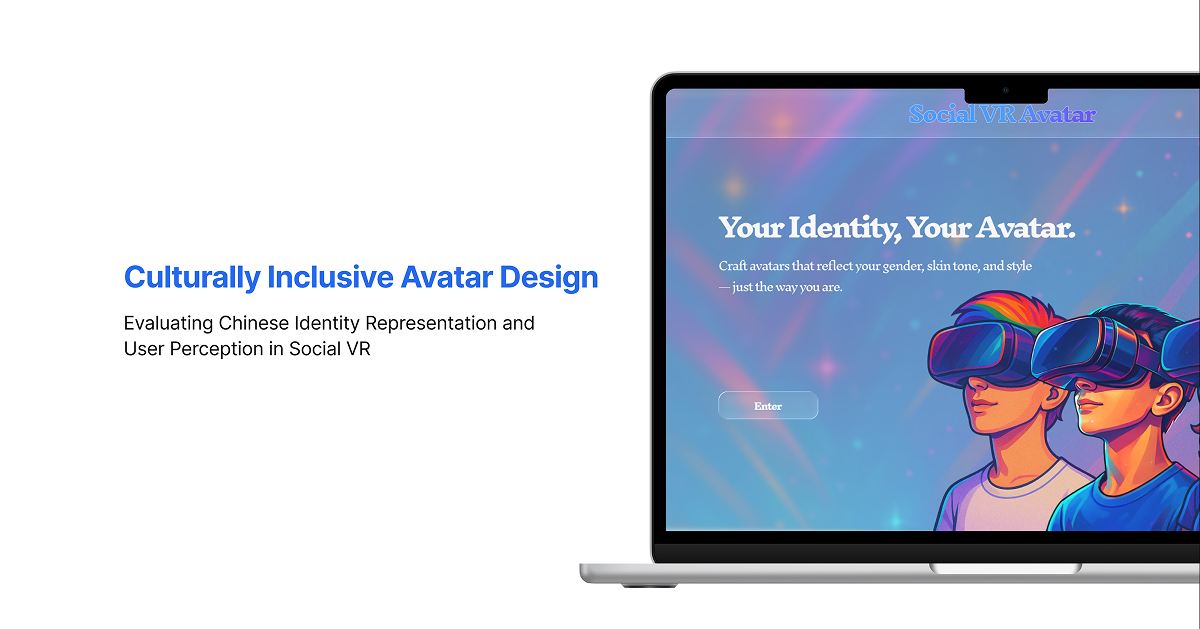

Avatars plays very important role in digital self-representations in VR. They are central to identity expression. However, current systems show limited diversity, particularly in cultural representation. While there are studies on gender and disability inclusion, very few compare cultural versus generic avatars. This limited cultural focus motivated my study.
Aim: How cultural elements influence identity expression, especially for Chinese users.
I focused on two questions:


I developed two prototypes: Prototype A features a generic avatar with everyday clothing, Prototype B which includes cultural clothing such as Hanfu and Scottish Highland dress. This enables me to test whether cultural design choices influence user perception.
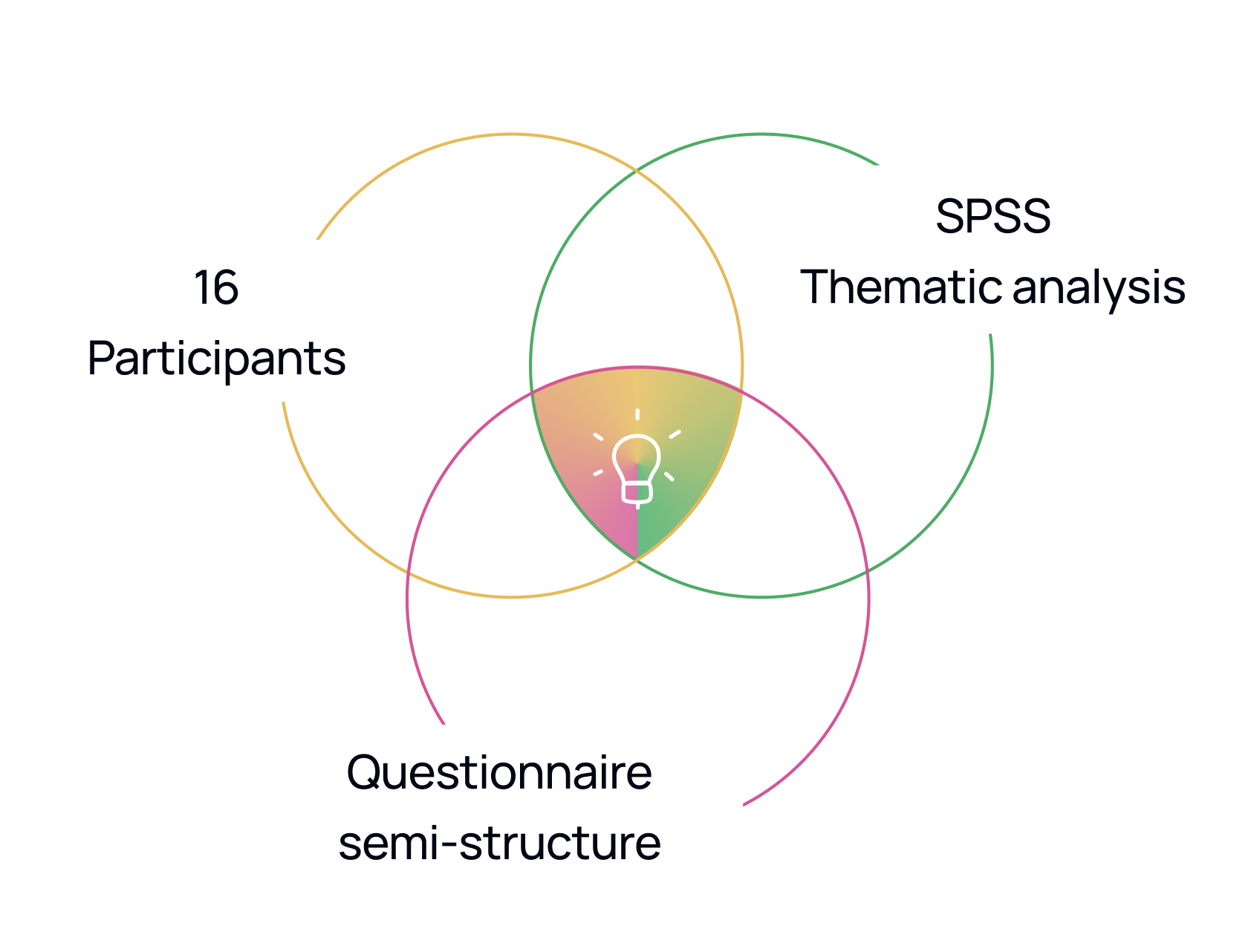
I used a mixed-methods approach with 16 participants(8 Chinese Participants/8 Non-Chinese Participants) , balanced between Chinese and non-Chinese.
They explored both prototypes, and then completed a questionnaire twice for each prototype analysed in SPSS, and joined short semi-structured interviews. The data was analysed with both quantitative statistics and thematic analysis.


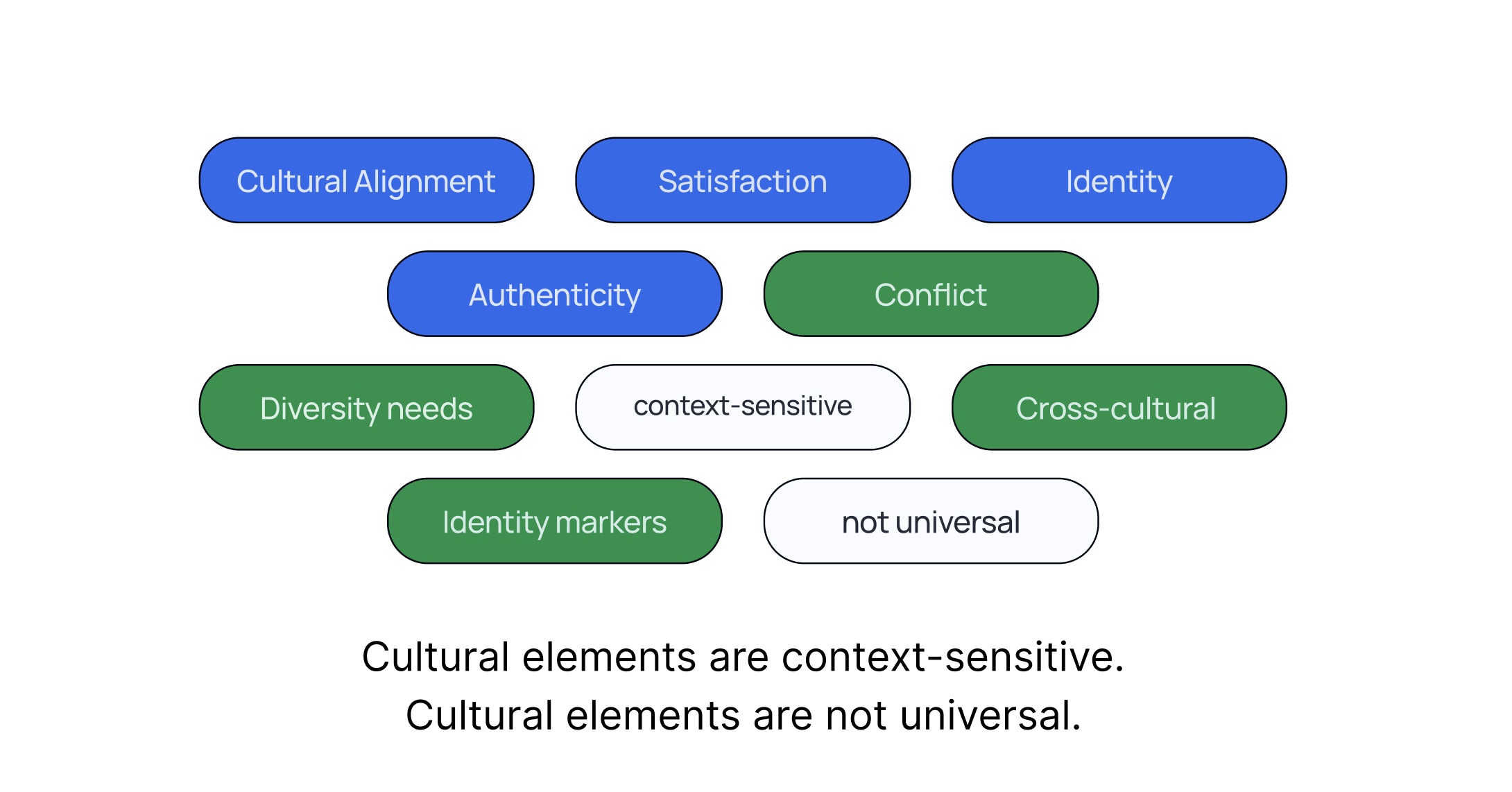
Prototype B, the cultural avatar, significantly improved cultural alignment (p = .007) and satisfaction (p = .015), with large effect sizes. In contrast, identity representation and authenticity showed no significant differences. This suggests that cultural elements primarily enhance users’ sense of cultural belonging, rather than altering general self-expression or perceived authenticity. Between groups, Chinese participants rated cultural alignment much higher than non-Chinese users, highlighting the importance of culture-specific options in inclusive avatar design.
On average, Prototype A scored slightly higher on identity (M = 3.91 vs 3.13) and authenticity (M = 4.91 vs 4.14), but these differences were not significant. In contrast, Prototype B clearly outperformed A on cultural alignment (M = 4.68 vs 2.47) and satisfaction (M = 4.96 vs 3.16).


Cultural attire as identity & narrative tool
“Prototype B provides the Hanfu option, which immediately allows others to recognise that I am Chinese.”
“When I see Hanfu, I think of heritage — it tells a story about who I am.”
“It makes me feel proud, because the clothing is not just decoration, it is identity.”
Cross-cultural exploration
“I would never wear these outfits in real life, but I would try them in VR.”
“It’s fun to try something from another culture, like role play.”
“VR lets me explore identities that are not mine — but it still feels like I’m borrowing them, not owning them.”
Concerns about cultural appropriation & conflict
“I did not choose the Scottish attire because I was worried it might cause misunderstandings.”
“If I wear clothes from another culture without knowing the meaning, I might offend someone.”
“I feel nervous — it’s not my culture, so I don’t know if it’s respectful or inappropriate.”
Diversity & inclusion
“More options mean more people can see themselves represented.”
“It would be great to have clothing from more cultures, not just one or two.”
“The current choices are too limited. Diversity is important so that everyone feels included.”

To make avatar systems more inclusive, the design should expand cultural diversity by offering a wider range of meaningful options, while also reducing the risk of cultural appropriation through clear explanations and neutral, opt-in choices. In addition, improving the visual fidelity and symbolic detail of cultural features can strengthen authenticity, helping users feel both represented and respected.