
Aspyn Park


Designer and researcher with experience in UX, service innovation, and start-ups. Combining creativity and business insight to craft impactful solutions that connect people across cultures.
Designer and researcher with experience in UX, service innovation, and start-ups. Combining creativity and business insight to craft impactful solutions that connect people across cultures.
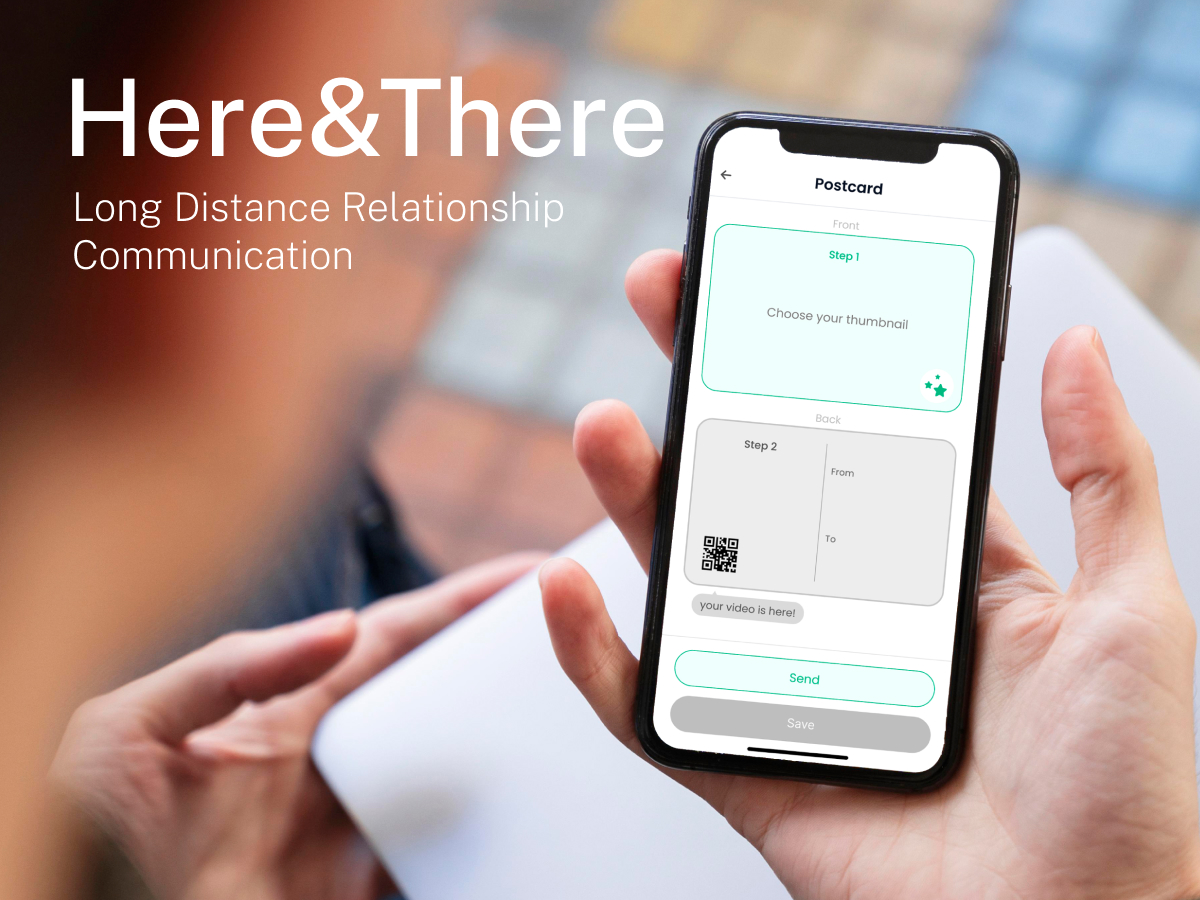
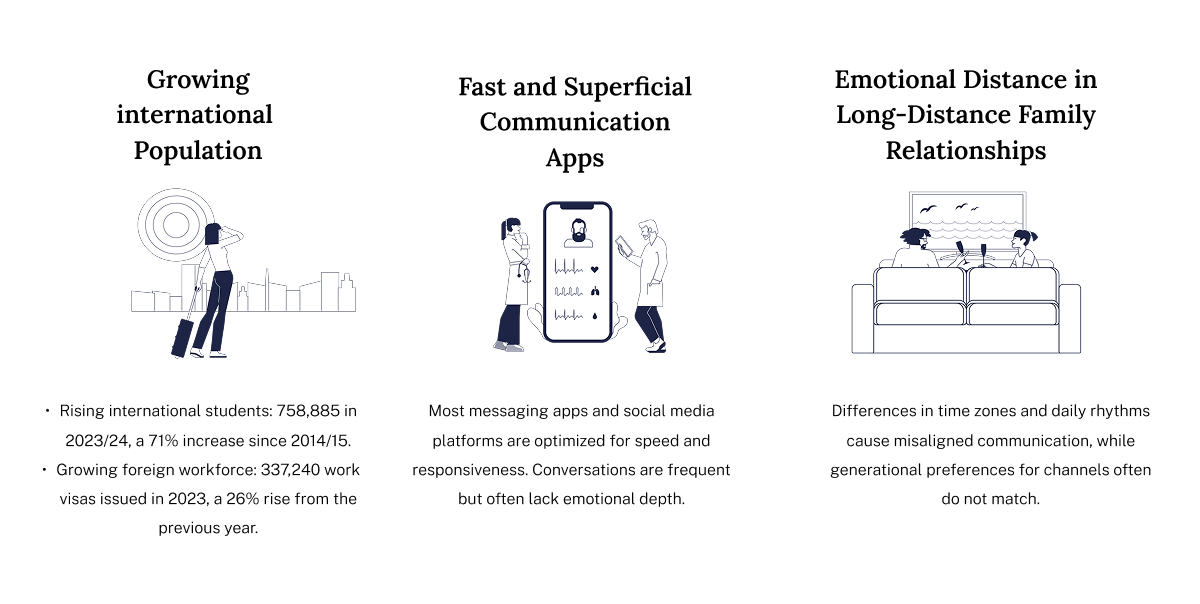
As international mobility increases, more people are living far from their families and friends, often across time zones and cultural boundaries. This project investigates how emotional bonds are maintained across distance, with a particular focus on international students and workers living in the UK. Drawing from interviews, diary studies, and cultural analysis, the research identifies key emotional and technological barriers that hinder communication with loved ones abroad. The final concept proposes a new type of postcard communication service that gently blends into daily life through ambient, low-pressure interactions.
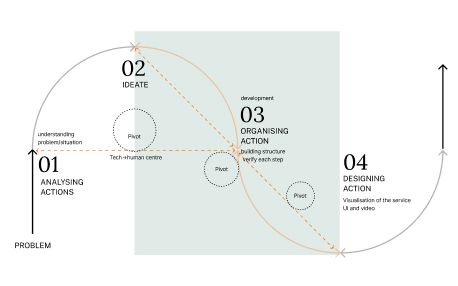
To design a communication service that helps people stay emotionally connected without relying on real-time messaging, especially for those living far apart from loved ones.
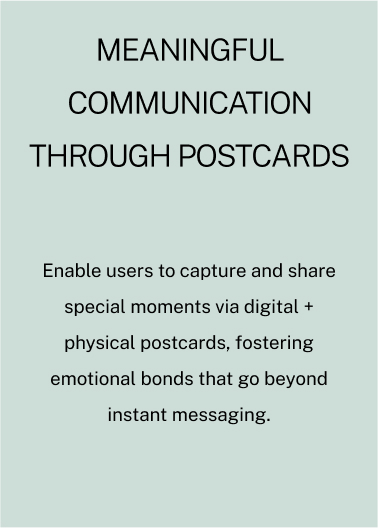
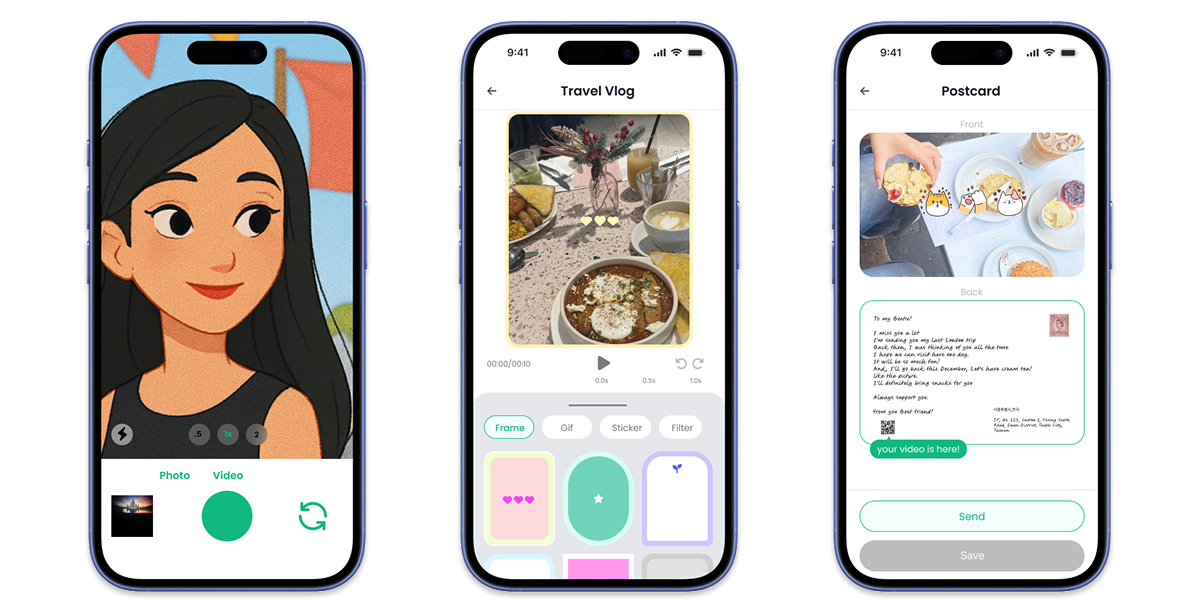
A digital postcard service where users can record and send emotionally rich content (video + message) that is accessed by the recipient via a QR code
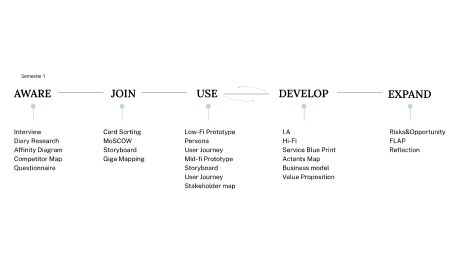
Interview, Diary Research
Affinity Diagram, Card Sorting
MoSCOW, Storyboard
Giga Mapping, Prototype
Persona, User Journey
Stakeholder map, I.A
Service Blue Print, Business model
Value Proposition, Risks&Opportunity
To explore how people across different cultures maintain emotional connections while living far away from family or friends.
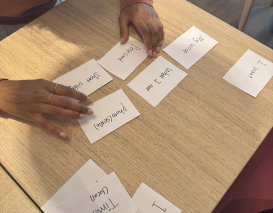
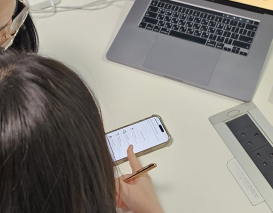
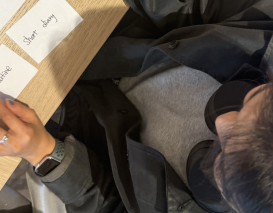
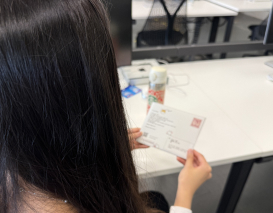
This service is based on the concept of slow communication—an intentional and emotionally-rich way of staying connected. Users create personal content like video postcards to express care without the pressure of real-time replies. It fosters emotional presence, reflection, and a deeper sense of connection across distance.
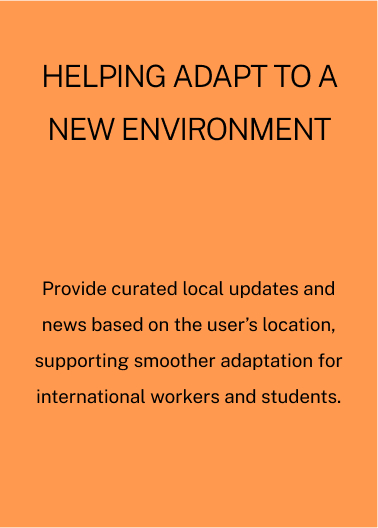
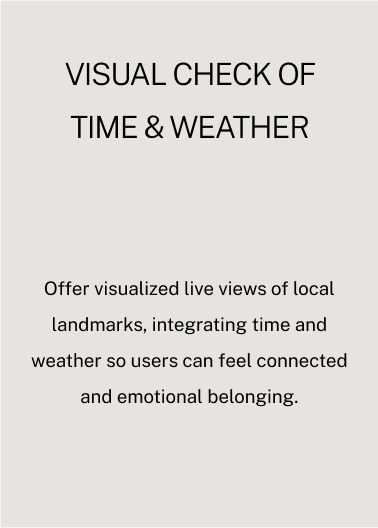
I believe there’s an opportunity for a service for people living abroad who want to stay emotionally connected with their families in a low-pressure, visual way—especially during the early stages of relocation—but struggle to maintain meaningful and consistent communication over time, while also wanting to keep their loved ones reassured with relevant updates.
This project taught me that bridging emotional distance requires more than technology. it lies in balancing digital efficiency with anticipation and meaningful effort. I developed from a concept-oriented designer into a service designer who integrates stakeholder needs, business models, and long-term feasibility. Most importantly, my perspective shifted from a technology-driven approach to a human-experience mindset, applying research evidence and iteration with greater confidence.