Tarang Parikh


Hey! I'm Tarang Parikh, a User Experience & Service Designer dedicated to creating intuitive, user-first experiences that balance simplicity, playfulness & usability
Hey! I'm Tarang Parikh, a User Experience & Service Designer dedicated to creating intuitive, user-first experiences that balance simplicity, playfulness & usability
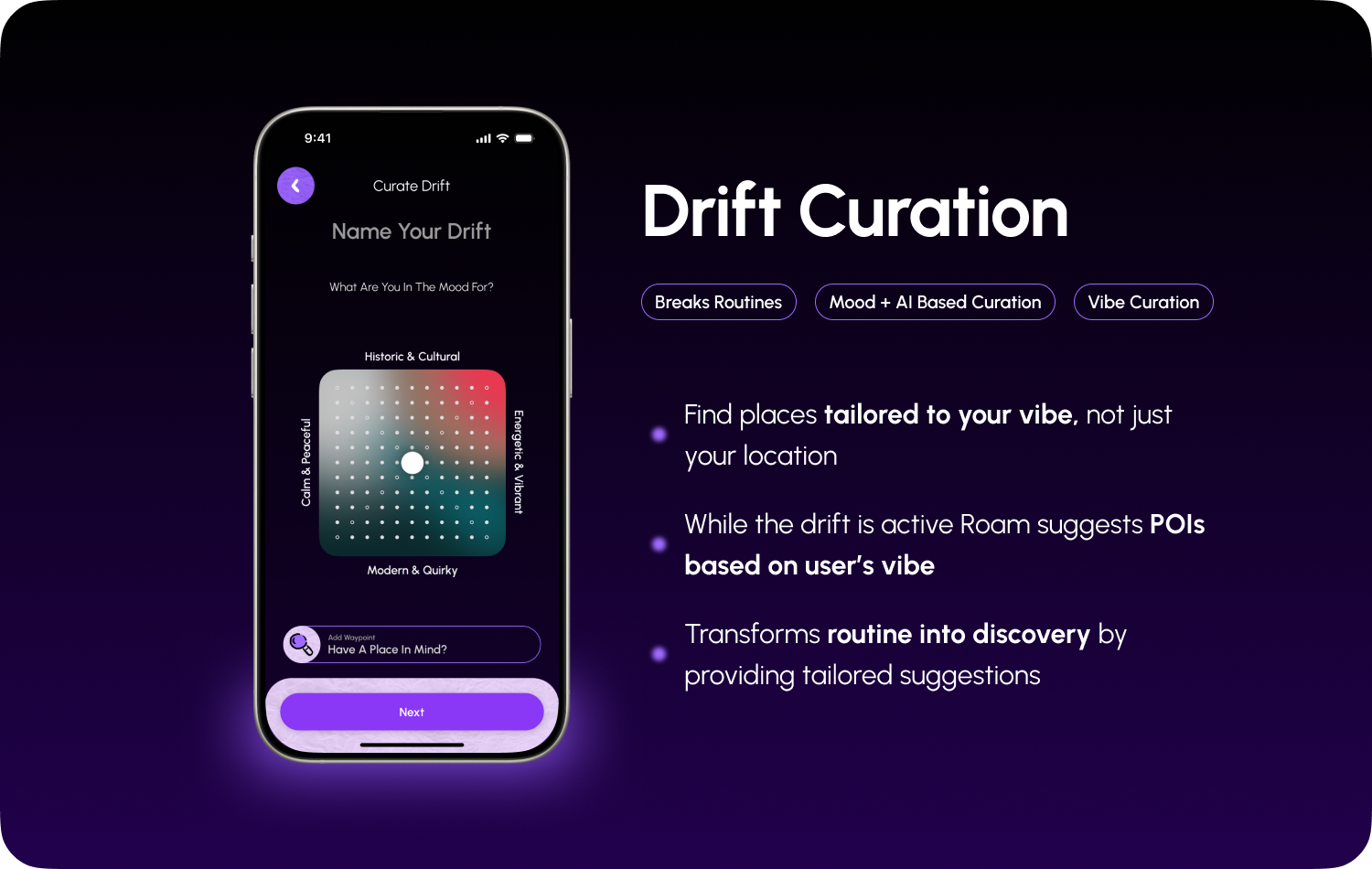
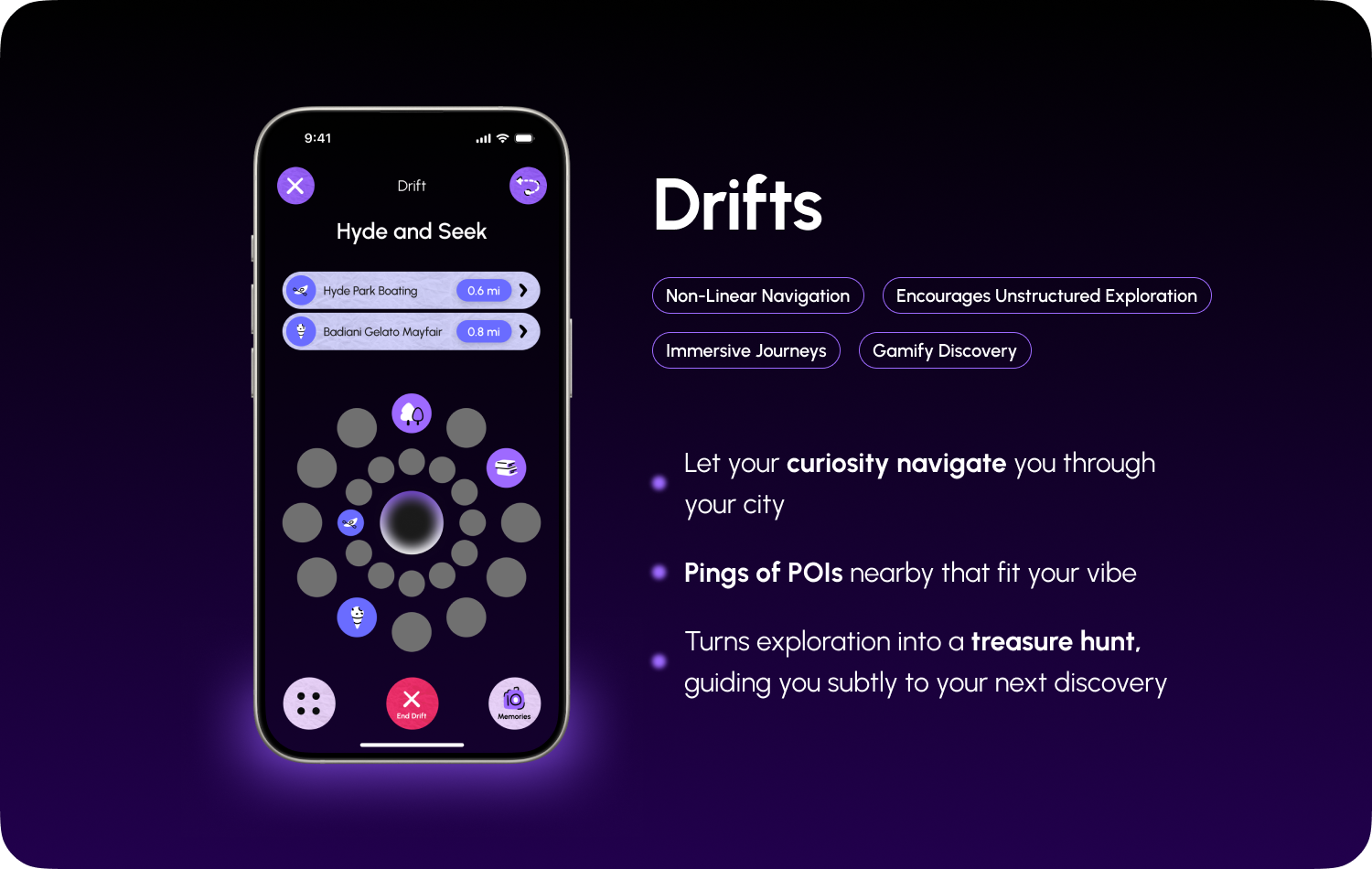
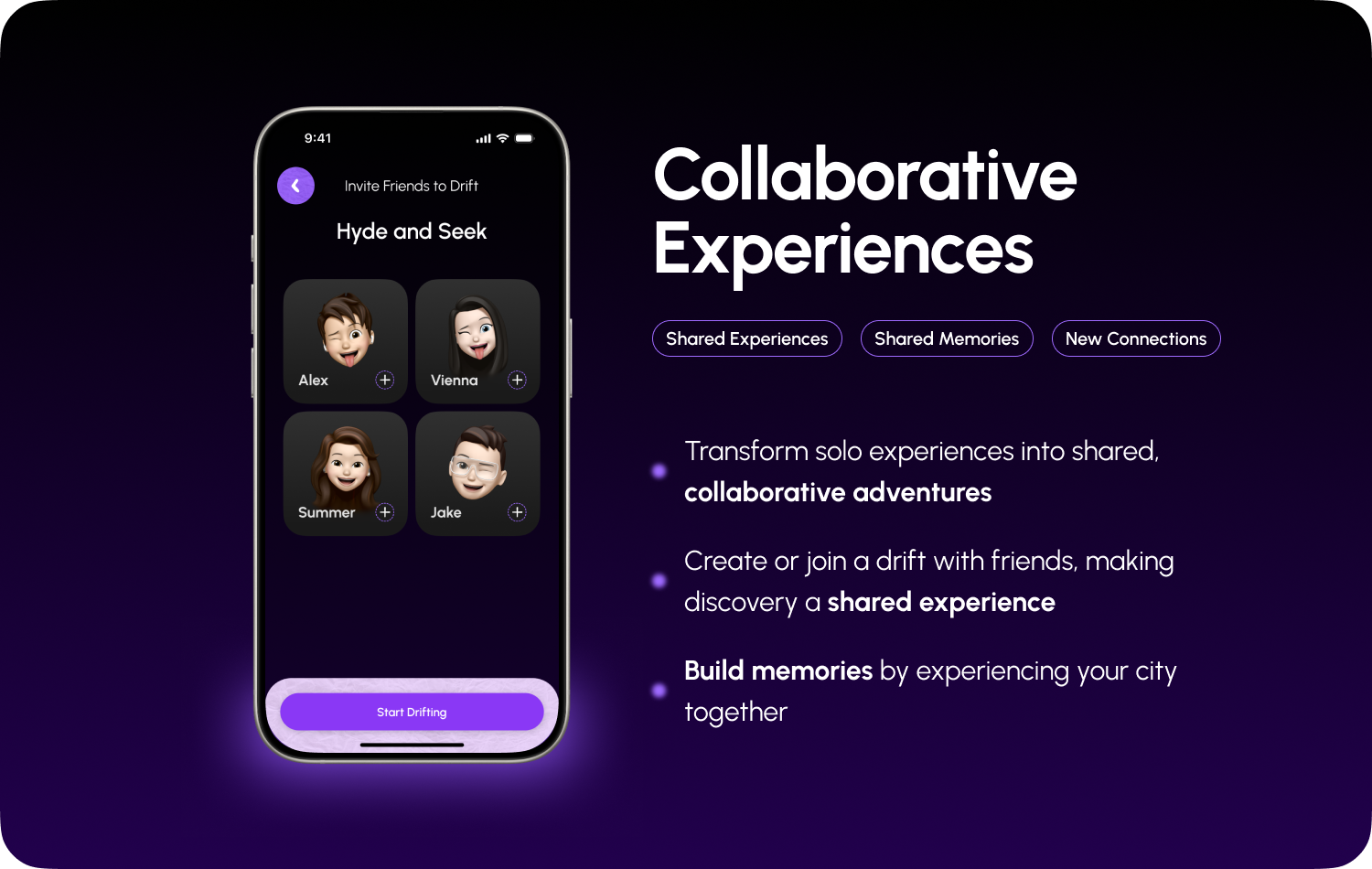
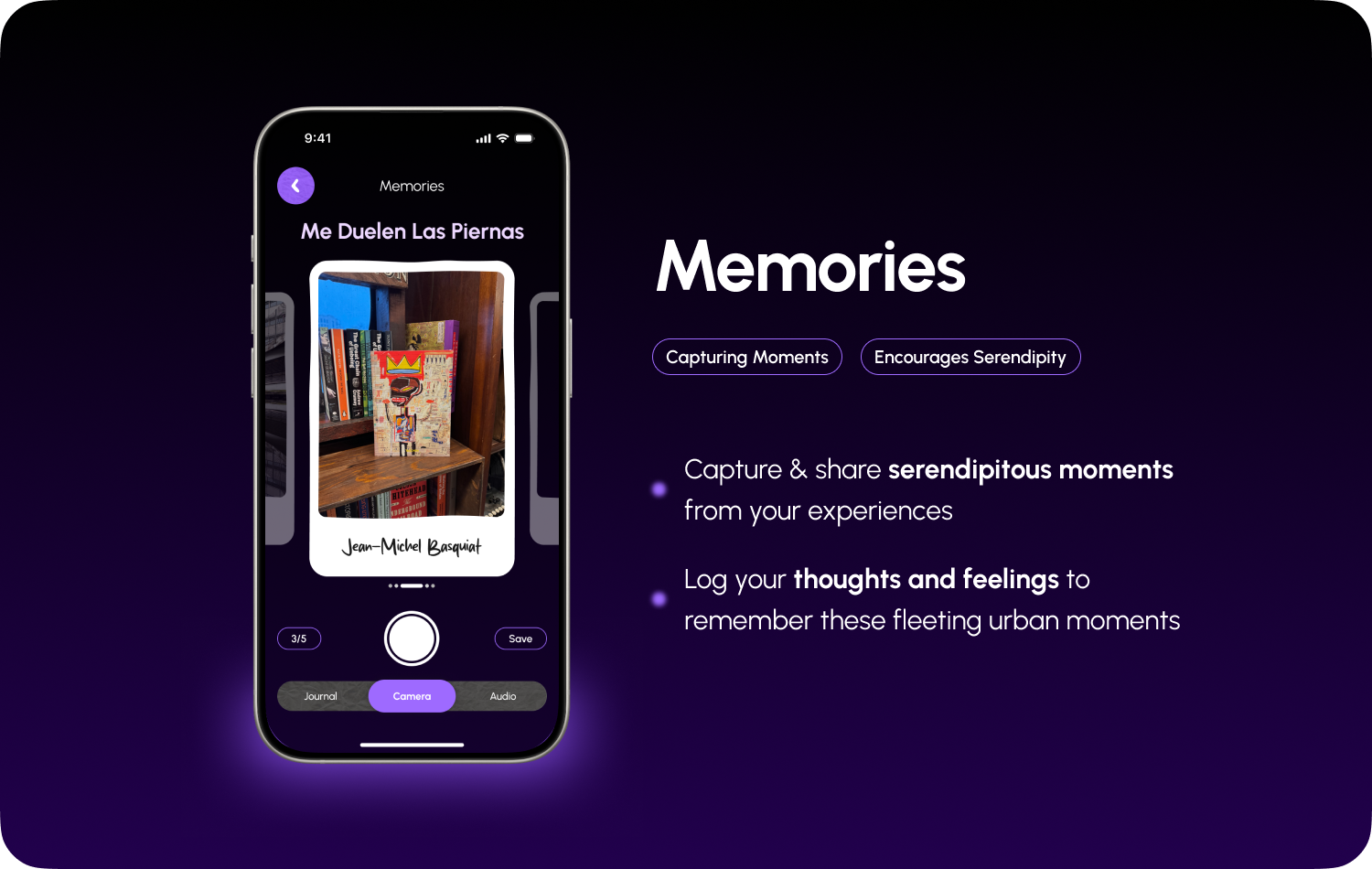
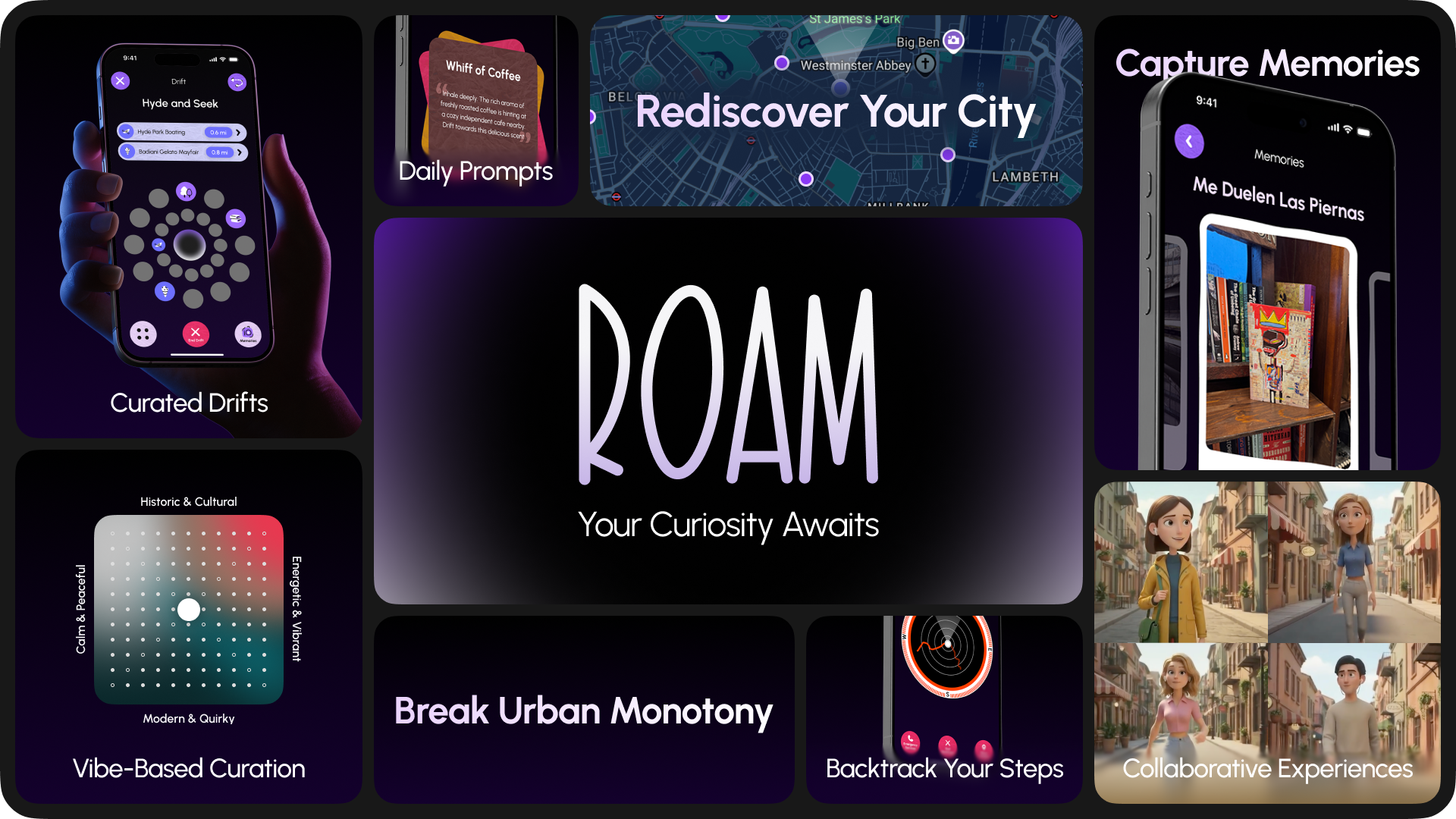
Roam is a service that addresses urban alienation by transforming monotonous daily routines into curious adventures. Through a whimsical digital-physical approach, Roam gently guides long-term residents toward serendipitous discoveries, authentic connections, and a renewed sense of wonder for their surroundings
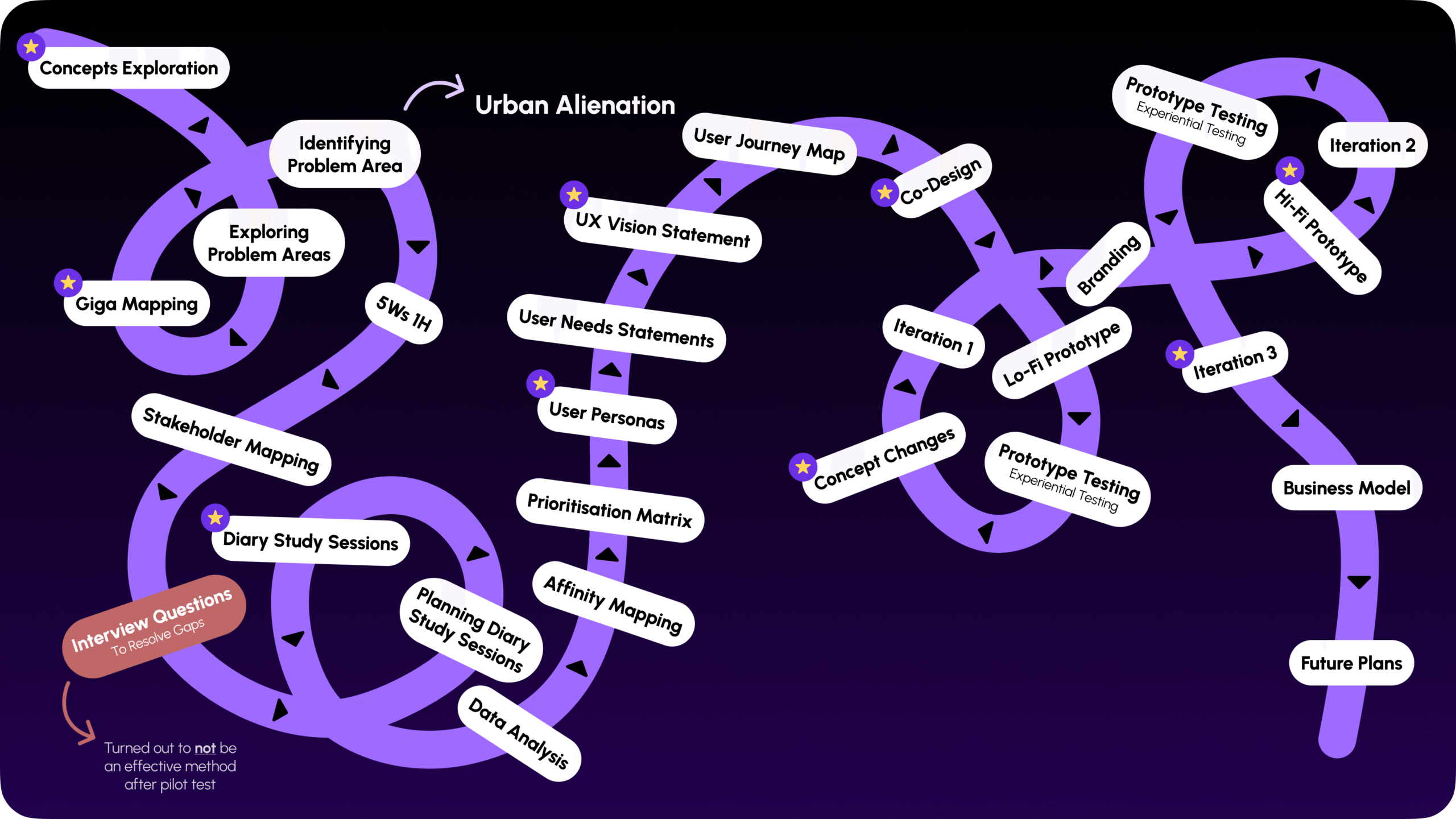
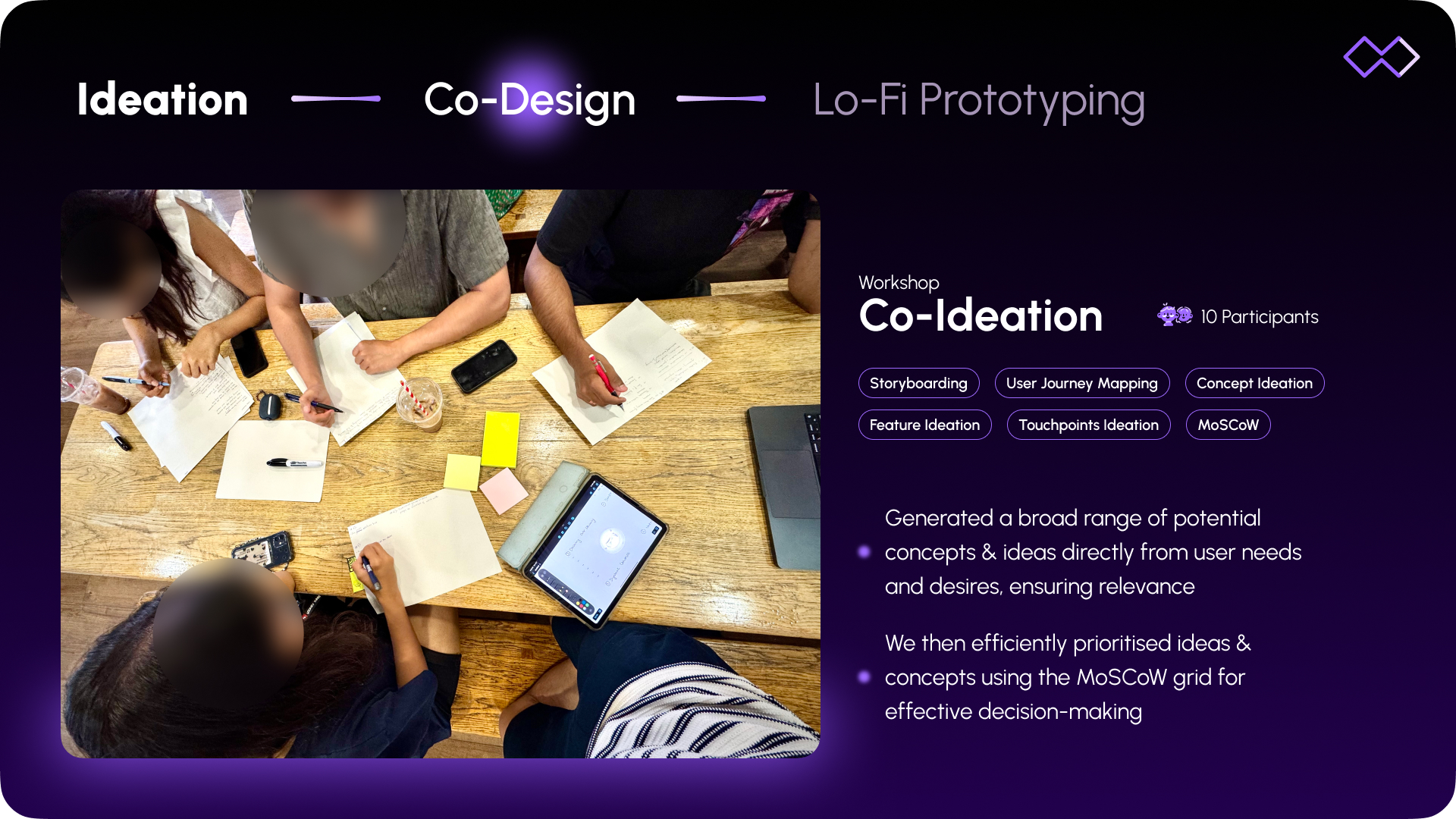
This project was a holistic exploration of the design process, starting with deep observational studies to truly understand the emotional aspects of urban life. This initial phase was the bedrock for my concept strategy, which centered on creating a service that could gently nudge people towards discovery and connection. The final phase was a dive into visual and interaction design, where I crafted an experience that is not only functional but also reflects the project’s core whimsical and delightful purpose.
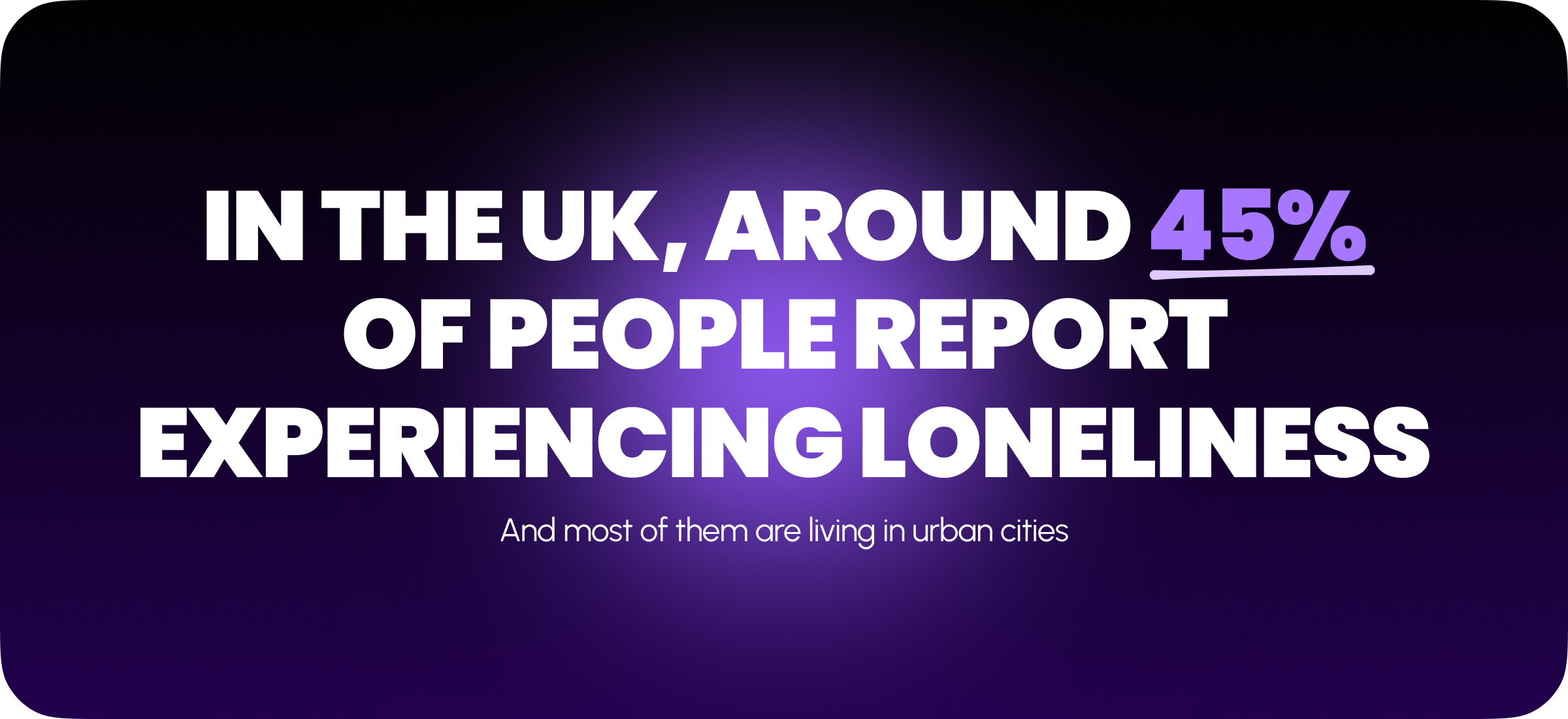
My secondary research revealed a prominent issue particularly in dense, urban environments, Urban Alienation. This feeling of detachment is commonly observed in long-term residents who are stuck in a “commute mindset,” prioritising efficiency over discovery. This behaviour creates a sense of monotony & boredom, leading to people feeling detached from their surroundings and themselves

My diary study process was structured in three key phases, closely aligning with Loop Panel’s Guide to Diary Studies (Oberoi and Loop Panel, 2024)

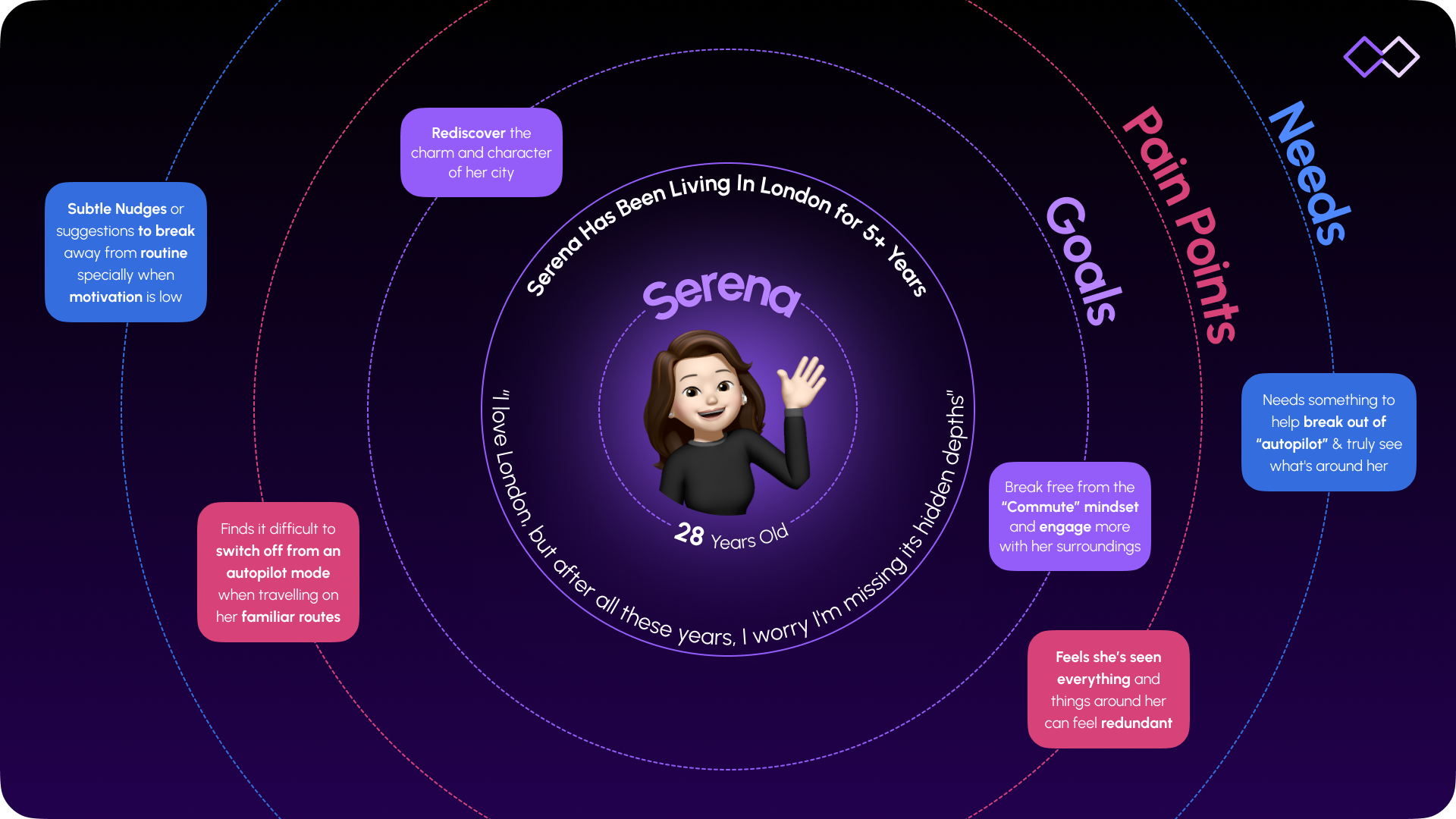
I believe, there is an opportunity for a new service for Long Time Urban Residents who find their city to be monotonous and routine-bound and engage more deeply with their surroundings, who want to break free from their usual “Commute mindset” but struggle to disengage from automatic behaviours on familiar routes, consistently trade potential discovery for efficiency, and often lack the motivation to actively seek new experiences, so that their daily lives are transformed into journeys of constant revelation, fostering a vibrant and evolving relationship with their city
UX Vision Statement