
Chenghan Yao


I’m a UX Designer passionate about exploring how the world works. I enjoy understanding the principles behind AI technologies and strive to combine them with design to create practical solutions for real business scenarios.
I’m a UX Designer passionate about exploring how the world works. I enjoy understanding the principles behind AI technologies and strive to combine them with design to create practical solutions for real business scenarios.

Small and Medium Enterprises (SMEs) account for around 90% of global businesses (World Bank, 2019), but with limited resources they often fail to provide adequate customer experience (Van Scheers, 2017), leading to low conversion and weak competitiveness. VR, with its low customer acquisition cost and immersive features, enhances engagement, supports sales (Kim et al., 2022; Bender & Sung, 2021), and is particularly effective in the Consider stage by building brand awareness and attitude (Kostyk & Sheng, 2023). Through vivid cues and the vicarious haptic effect (Luangrath et al., 2022), VR compensates for the lack of tactile interaction in online shopping, offering SMEs opportunities to compete with established firms.
Prior studies defined similarity narrowly (e.g., taste preferences, Hu et al., 2016). Yet personality and behavioral similarity increase trust, enjoyment, and usefulness (Al-Natour et al., 2005), though their impact on purchase intention remains unexplored. Personality similarity especially enhances perceived hedonicity (Al-Natour et al., 2005), aligning with VR’s advantage. Other work shows similarity affects perceived social value, which mediates purchase intention and can be stronger in VR.
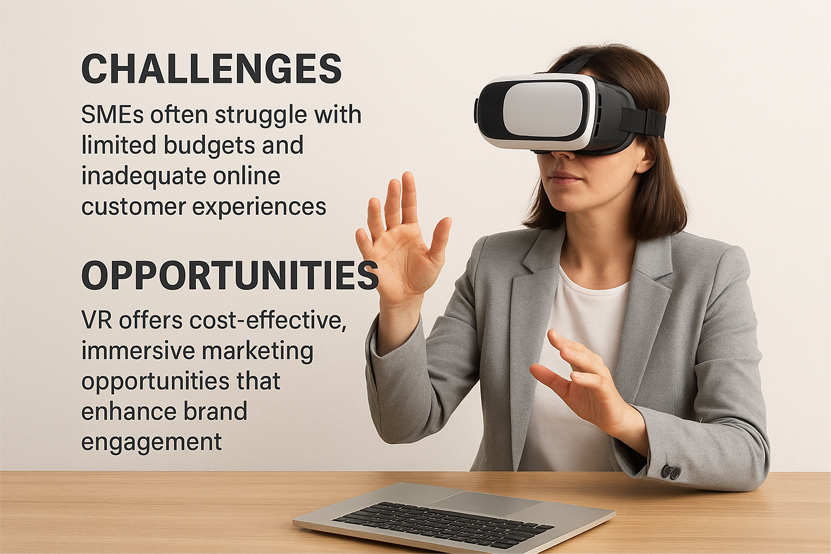
The aim of this study is to explore if perceived personality similarity can be used in social shopping to increase consumers’ purchase intention in VR shops. By achieving this aim, we can help SMEs to sell more products and potentially leverage virtual reality to compensate the drawbacks of traditional online marketing, thereby indirectly compensating for the disadvantages caused by low brand awareness of SMEs.
The study tested three hypotheses, derived from the literature:
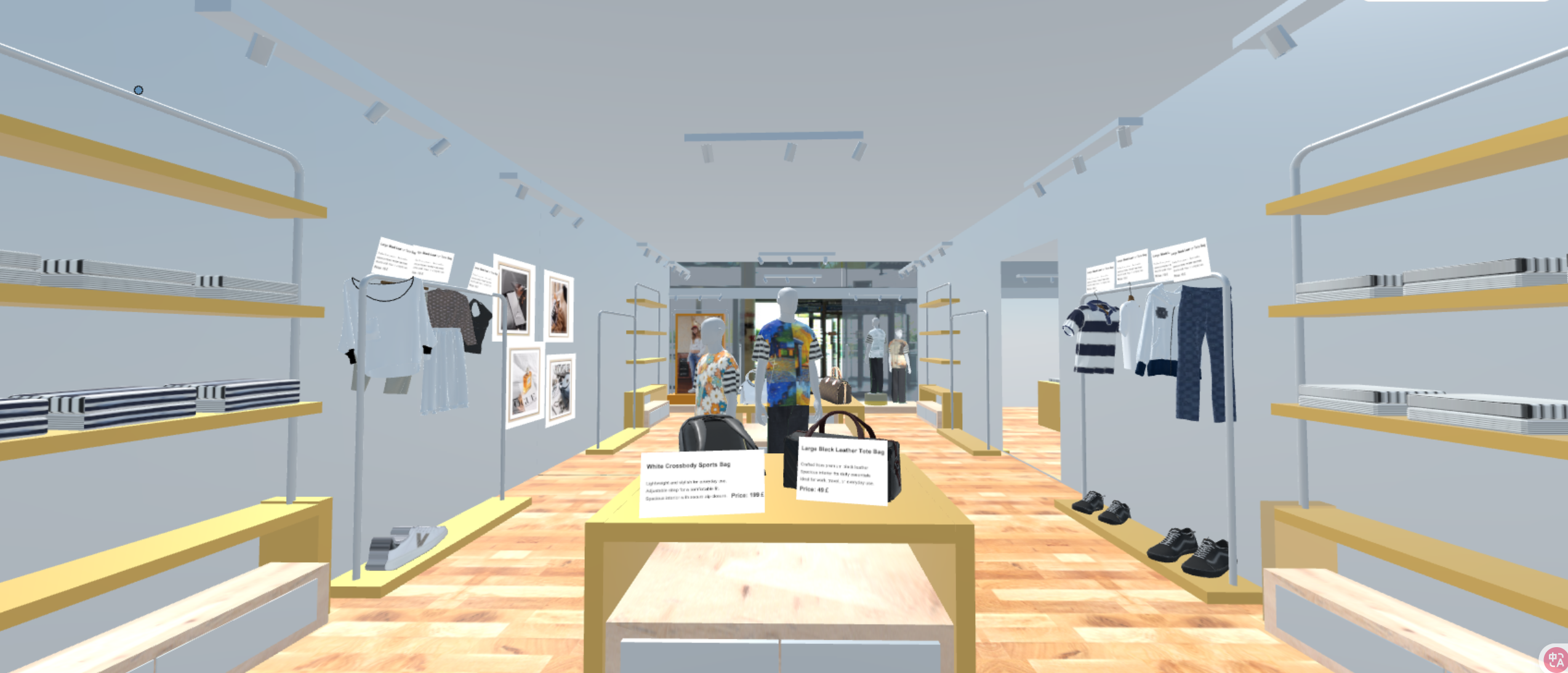
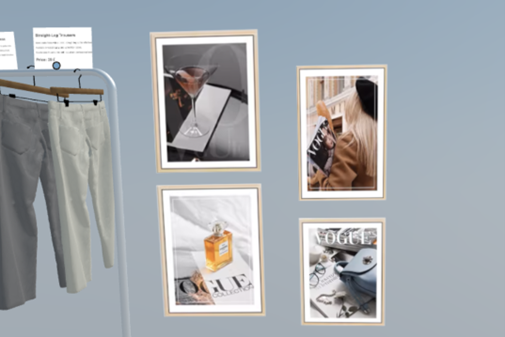
The goal of prototype design is to replicate the feel of a physical clothing store. The layout is inspired by real stores, incorporating common elements like hangers, display closets, tables, and mannequins.
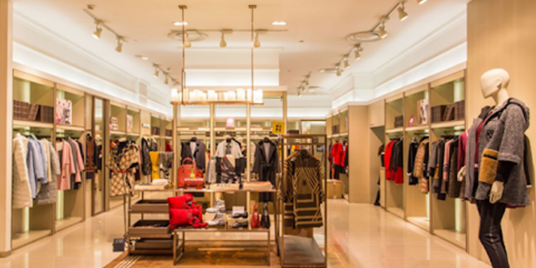

An initial sketch is drafted to plan the store’s design.

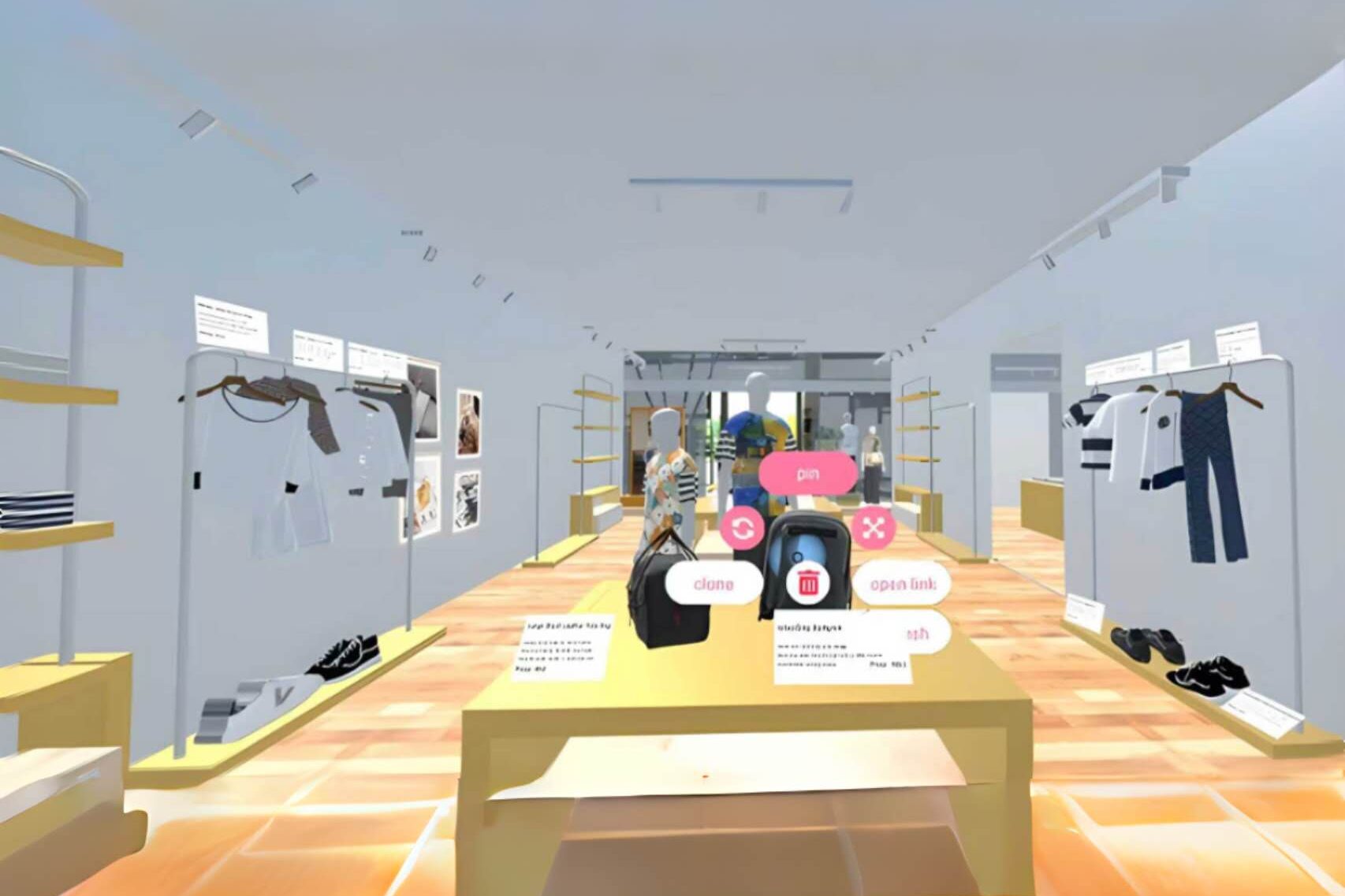
Based on feedback about low model quality, all clothing models were upgraded to higher-quality versions to ensure consistency and eliminate potential bias on purchase intention.
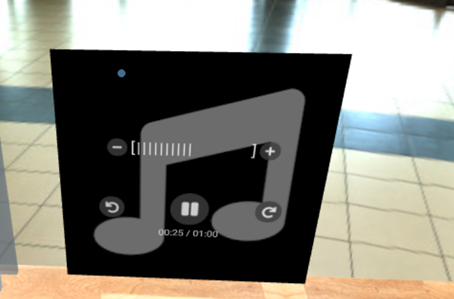
Participants (n = 64) completed pre-task surveys.
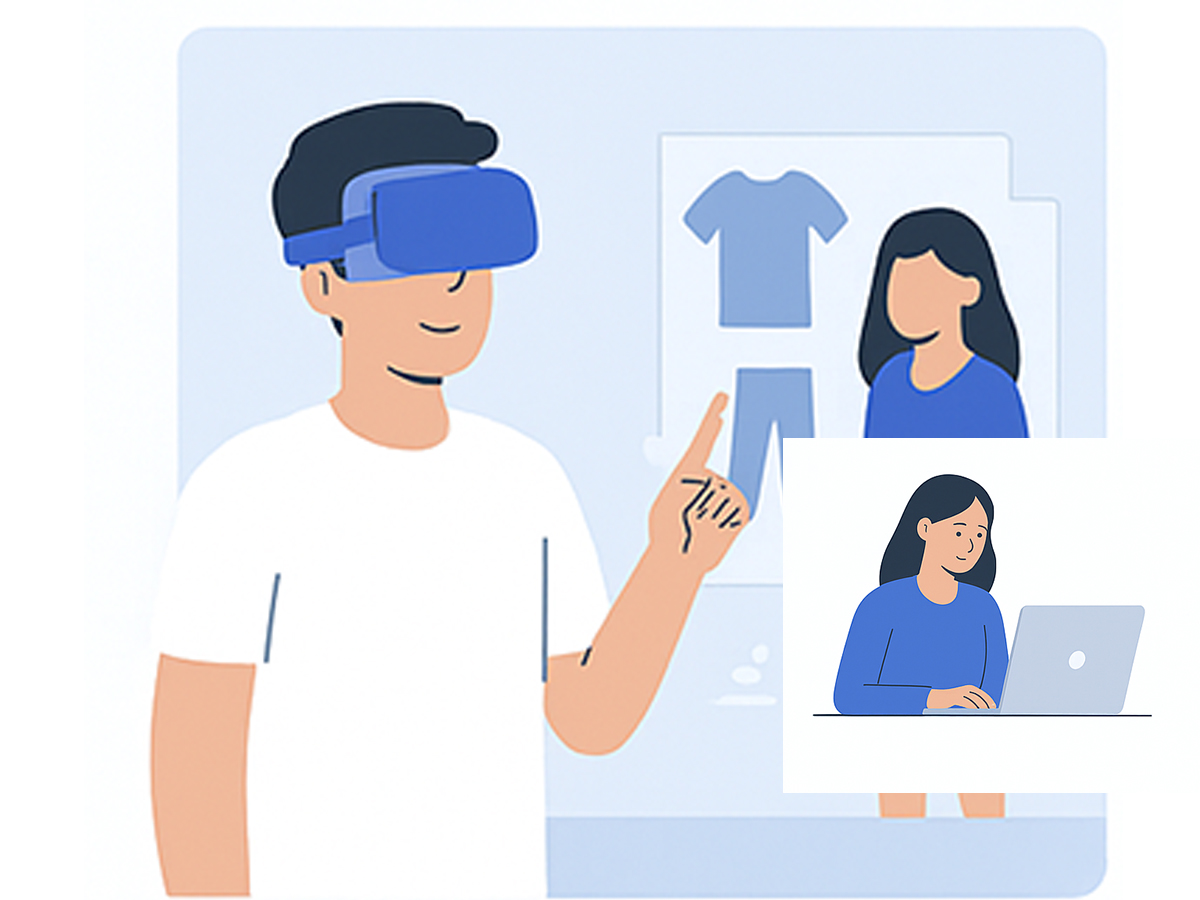
Experiment Process


Analysis
Data were analysed by independent t-tests (RQ1 & RQ2), chi-square (n = 55), and Pearson correlation (RQ3).
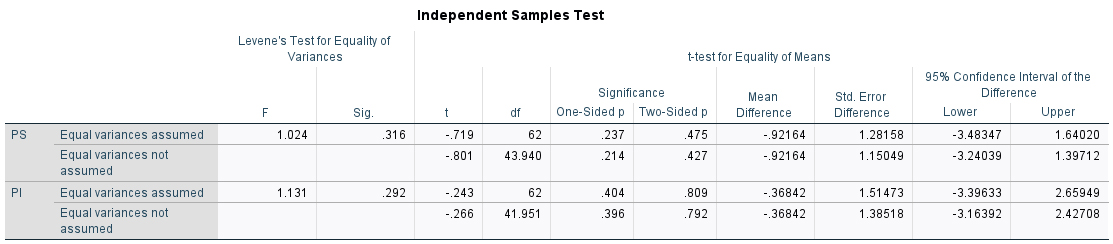
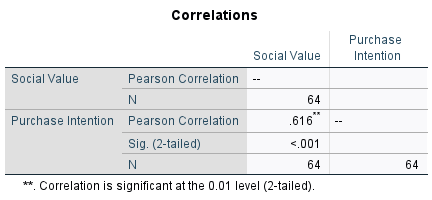
Findings show no significant link between personality similarity, purchase intention, or perceived social value, but a strong positive relationship was found between perceived social value and purchase intention. Thus, while RQ1 and RQ2 were rejected, RQ3 was supported, making this the first study to highlight the role of social value in VR commerce.
The study suggests that designers should prioritize features that enhance social value—such as user interaction and reviews—over personality similarity in order to boost purchase intentions in VR stores. It also cautions against directly replicating two-dimensional design rules, emphasizing the need for dedicated research into virtual reality and the development of customized design strategies.
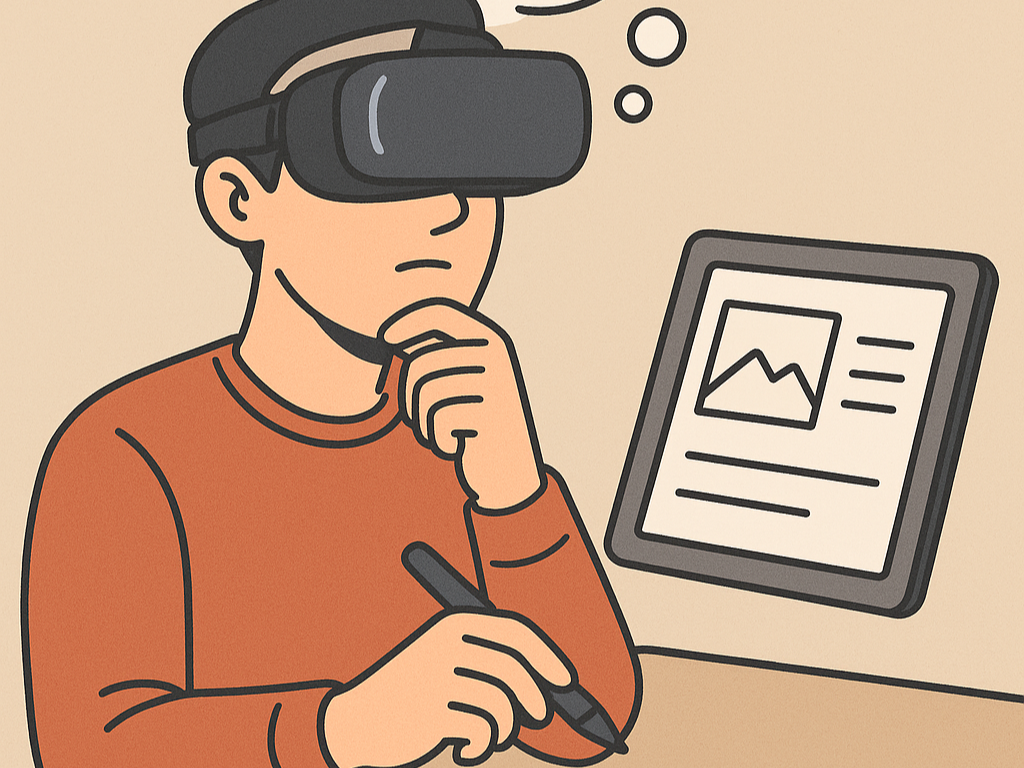
Future research should prioritise several key avenues to build upon this work. First, investigations could focus on other dimensions of similarity beyond personality, such as similarity in taste or preference, to determine their influence on purchase intention. Second, the effect of perceived familiarity, which is beyond the scope of this study, should be explicitly examined. To achieve more definitive results, subsequent studies must expand the sample size to attain higher statistical power. Thirdly, in my research, participants use the cartoon avator to browse the store, this will decrease user’s presence in VR store, which might be the reason findings in my H1 & H2 failed to consist with previous research.
Video of Prototype Process