With a background in industrial design, I am passionate about understanding the relationship between people and products and enjoy exploring user-centred design thinking. I always believe that design is not only about functional realization, but also about understanding and connection.
This project investigates the power constraints cyclists encounter during their journeys. When cyclists reach remote areas, portable power banks often run out of charge, leaving electronic devices unable to recharge. By calculating the usage frequency and energy storage requirements of various devices, the power demand ranges between 220 Wh and 420 Wh. Most commercially available power generation devices lack sufficient portability to meet the needs of cycling travel, highlighting an urgent requirement for portable charging solutions to address mobile power supply challenges.
Design brief: Design a solution for lightweight, portable bicycle power generation and harvesting equipment. This should reduce the need for bulky power banks and generate enough power in a long-term cycling travel.


After the investigation, I considered using human power to generate electricity. However, most bicycle power generation devices utilise wheel-side friction generators, which create significant resistance and result in a poor riding experience.
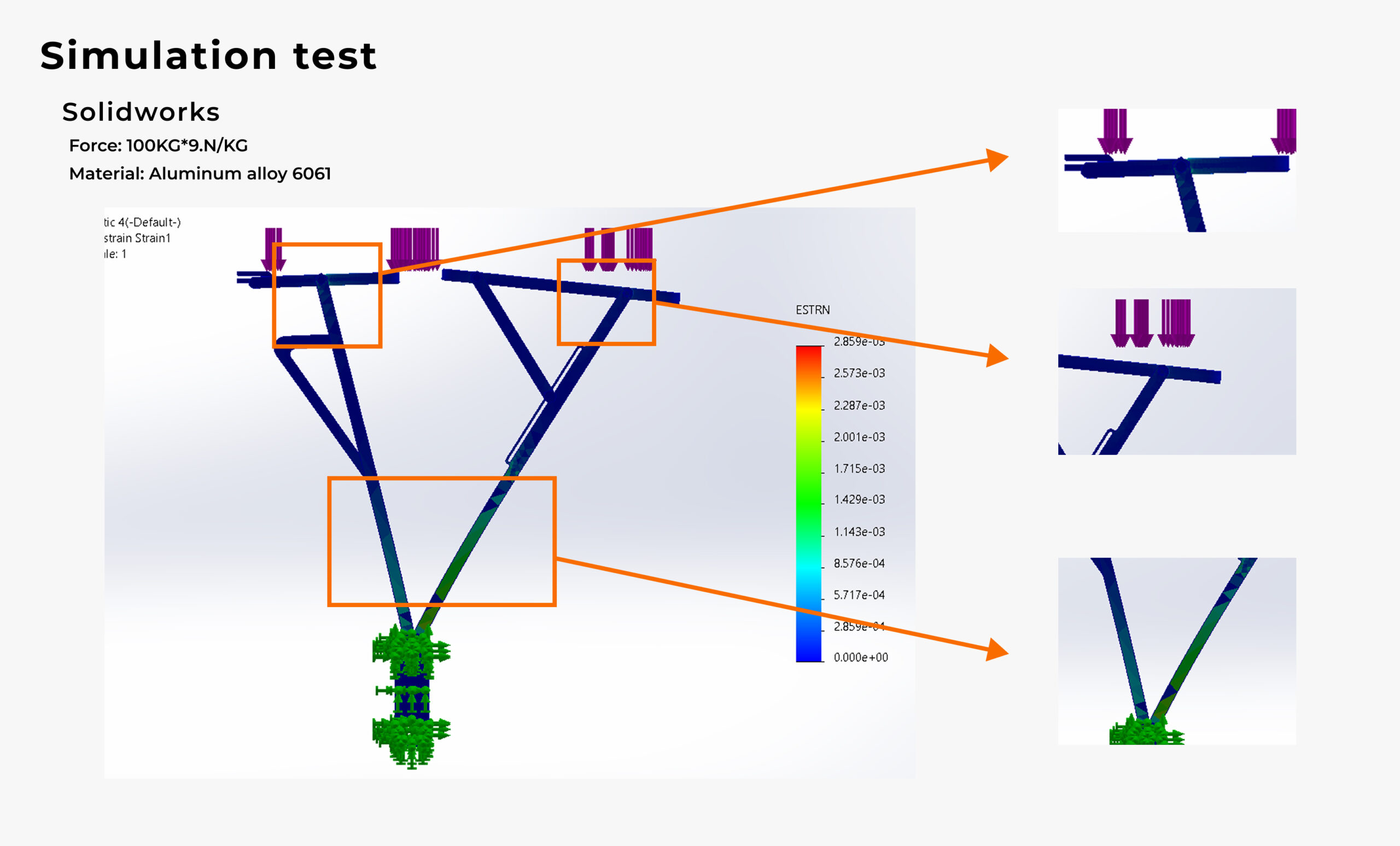
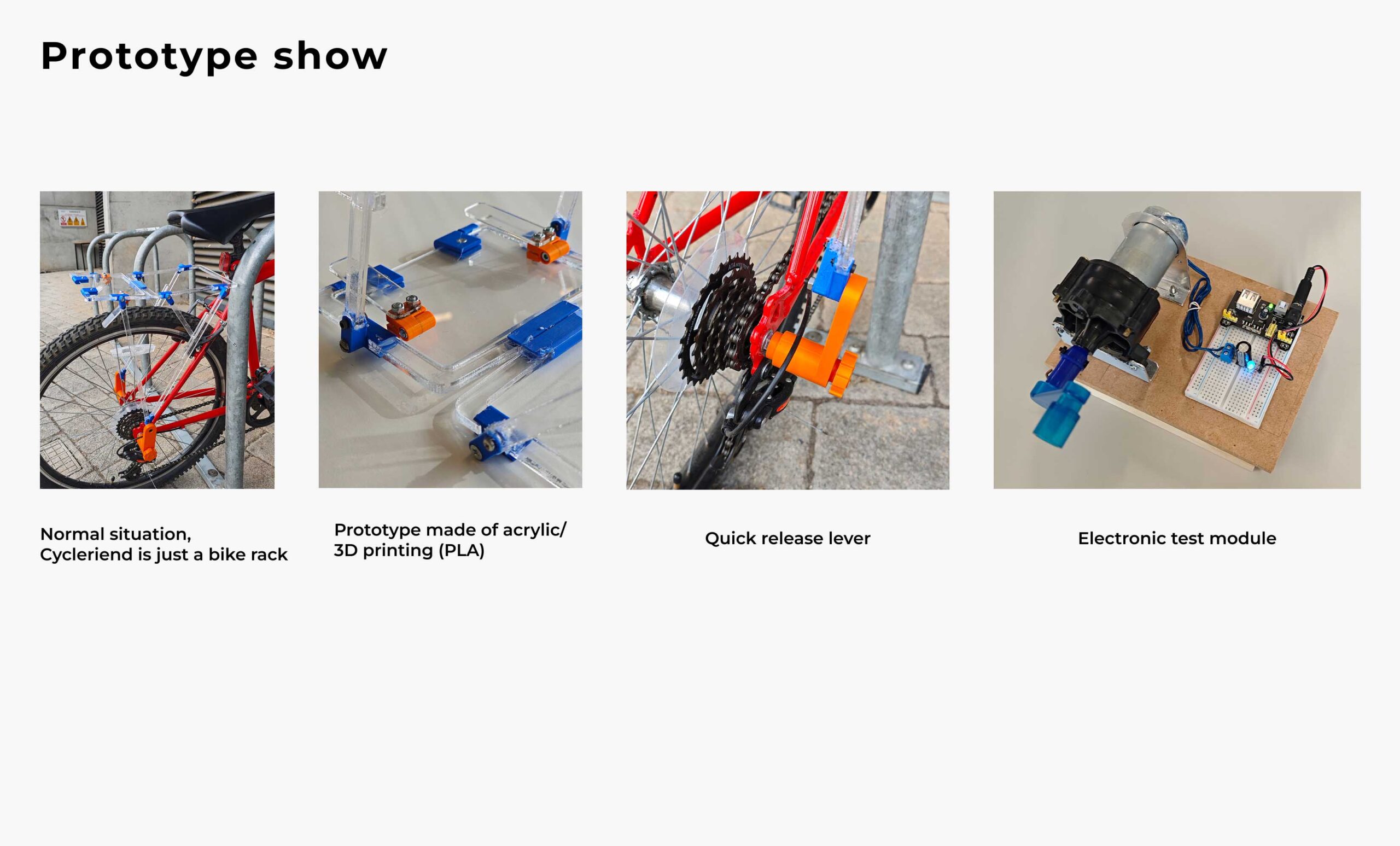
To meet the requirement of “portability”, I observed bicycles and their accessories. Ultimately, I chose to integrate the bicycle rear rack with a dynamo, generating electricity through tyre friction against a roller. I then made a prototype to test its feasibility.
Developing details of the final design can be found below:


For alpine skiing enthusiasts, while enjoying the thrill of extreme sports, danger lurks everywhere. Environmental factors contributing to skiing injuries are primarily hazards caused by mountainous terrain, such as tree wells and cornices.
AR ski helmets utilise laser scanning technology to preemptively scan the path ahead and identify potential hazards. This information is projected onto ski goggles, enabling skiers to anticipate and respond to risks in advance to reduce injuries and enhance the overall skiing experience.